Implant Dentistry & Surgery
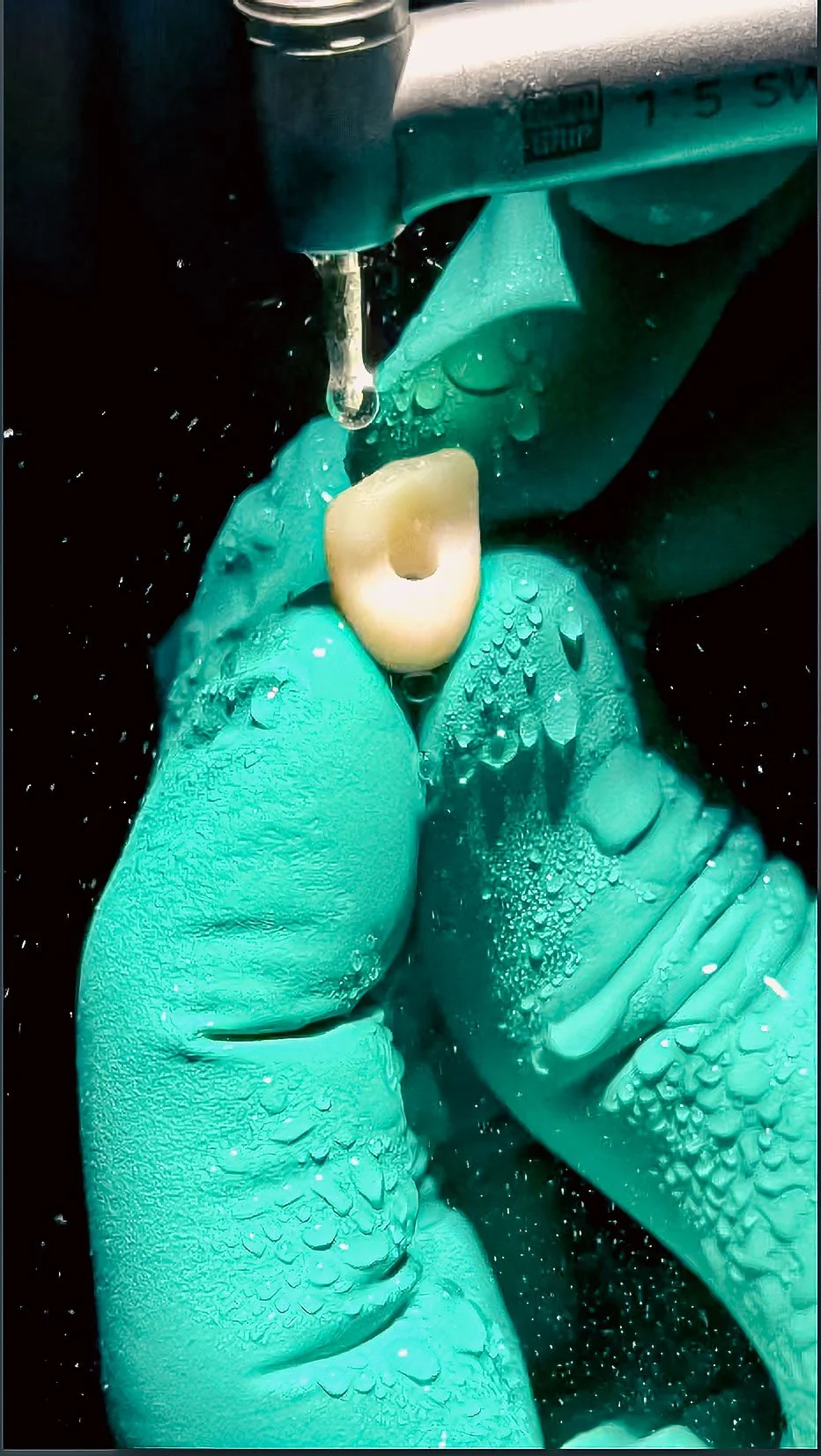
What are Dental Implants
A dental implant is a relatively simple component comprising three pieces of hardware: a titanium implant post, an abutment, and a restoration (false tooth). The implant post is surgically inserted into the jaw to provide structural support for a single replacement tooth or an entire arch of new teeth.

Next, an abutment is attached to the implant, connecting the implant post to the prosthesis. For patients suffering from missing teeth, full mouth dental implants are a preferred tooth restoration solution that provides vastly superior long-term results compared to dentures.
Dr. Pujara
Dr. Pujara has been awarded fellowship degree from two prestigious institutions International Congress of Oral Implantologists (ICOI) and American Academy of Implant Prosthodontics (AAIP) after completion of rigorous training with leaders in the field of dental implants. Our office is equipped with state of the art Cone Beam CT scan which helps Dr. Pujara place implants in desired position to gain maximum outcome as well as serves as safe procedure minimizing complications. Dr. Pujara routinely performs “guided surgery” which involves comprehensive planning behind the scenes and on the day of surgery, the procedure lasts surprisingly as less as a few minutes. Guided surgery involves minimal tissue manipulation which means minimal post operative pain. Many cases also get the crown on the same day! Which means, no missing teeth when you walk out!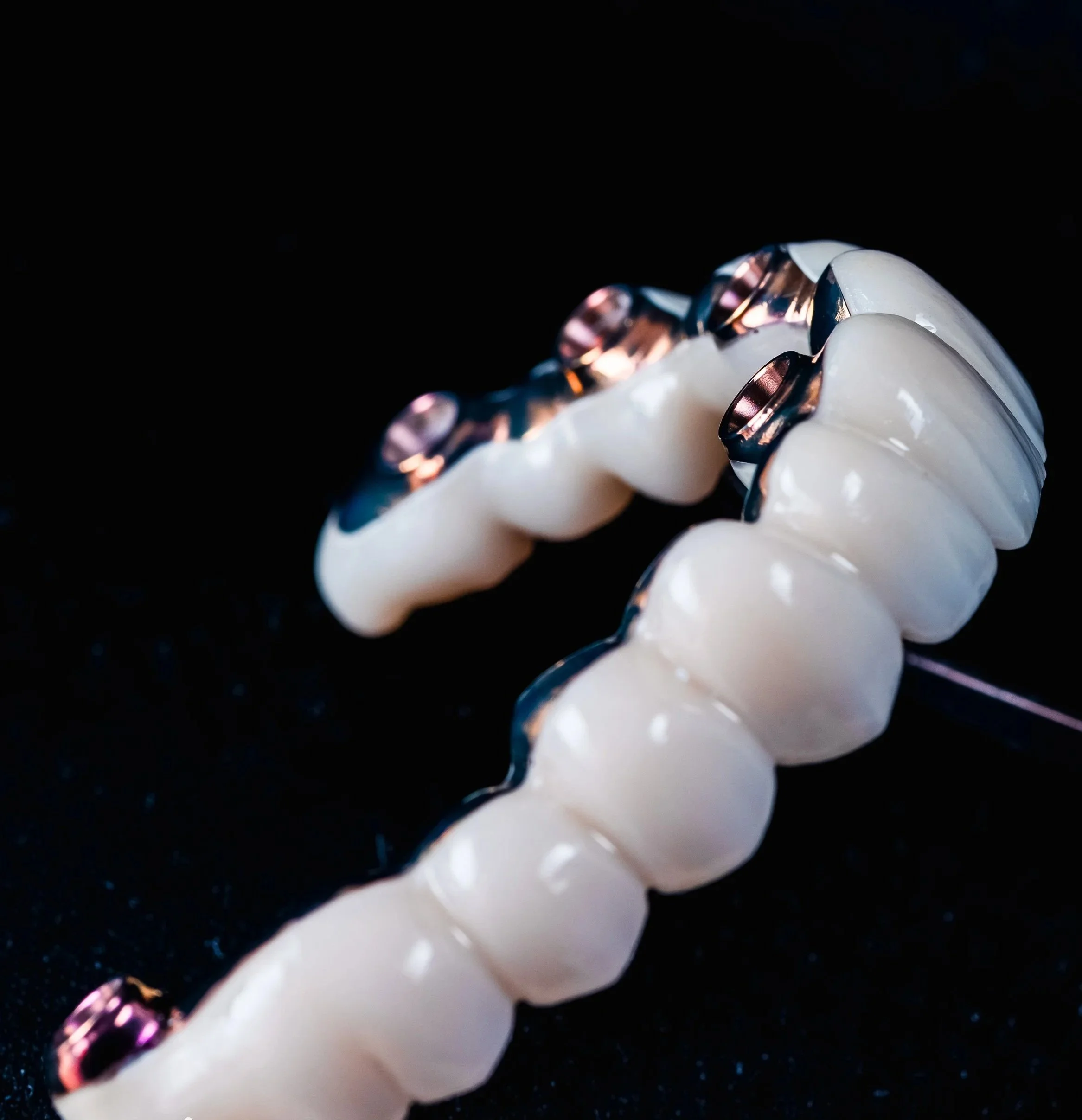
Full Arch & Single tooth Implant solutions
If you would like to restore your entire upper, lower, or both arches of teeth, dental implants offer us a variety of solutions. We can use two implants to give a removable denture more retention, but there are also full-arch implant solutions that never have to be removed and look and feel much more natural. All-On-4 Hybrids are permanent, implant-supported long-span bridge treatments. Unlike implant-supported dentures, implant-supported bridges are made of porcelain and they are permanently attached to your dental implants.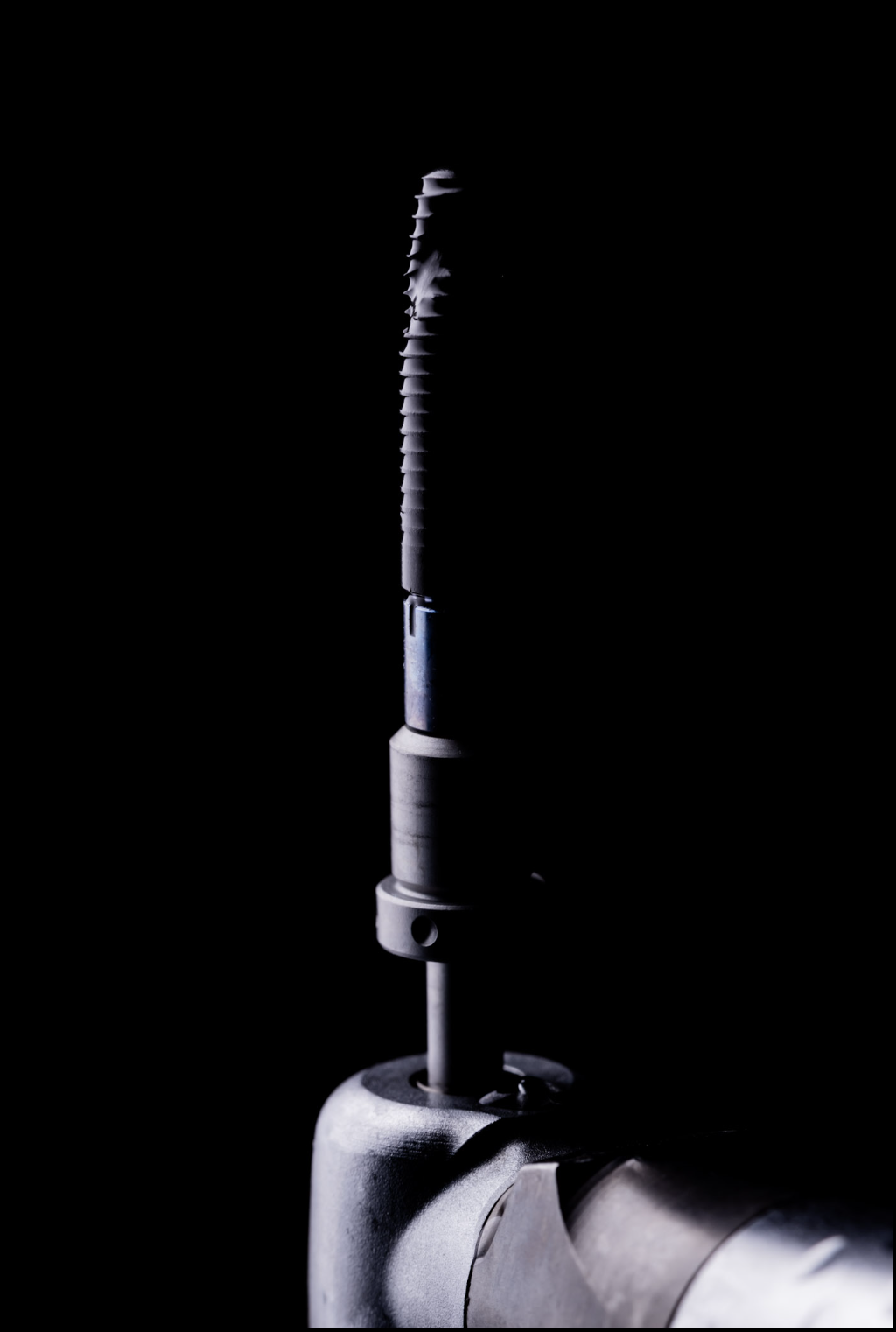
What to Expect from the Implant Process
Your treatment will usually take between 6-12 months, but this can vary depending on the patient. To begin, you’ll see Dr. Pujara to determine if you’re a good candidate for dental implants.
If you’re approved, our team will begin creating your dental implant placement plan. You’ll come back in a few weeks, and Dr. Pujara will place your implant into your gum and jaw tissue. You’ll get a set of recovery instructions, and be sent home to heal.
Over the next few months, you’ll come into our office for a few follow-up appointments. We’ll check your healing progress, and Dr. Pujara will take impressions of your implant and gums, which will be used by our dental lab to create your permanent implant-supported restoration.
About 2 weeks before your final appointment, you’ll come into our office to have an “abutment” placed on your implant. This is what connects your implant to your implant-supported restoration, such as a dental crown. Once your mouth heals, you’ll come in for your final appointment. Dr. Pujara will check the fit of your implant-supported restoration, and then bond it into place permanently, completing the procedure.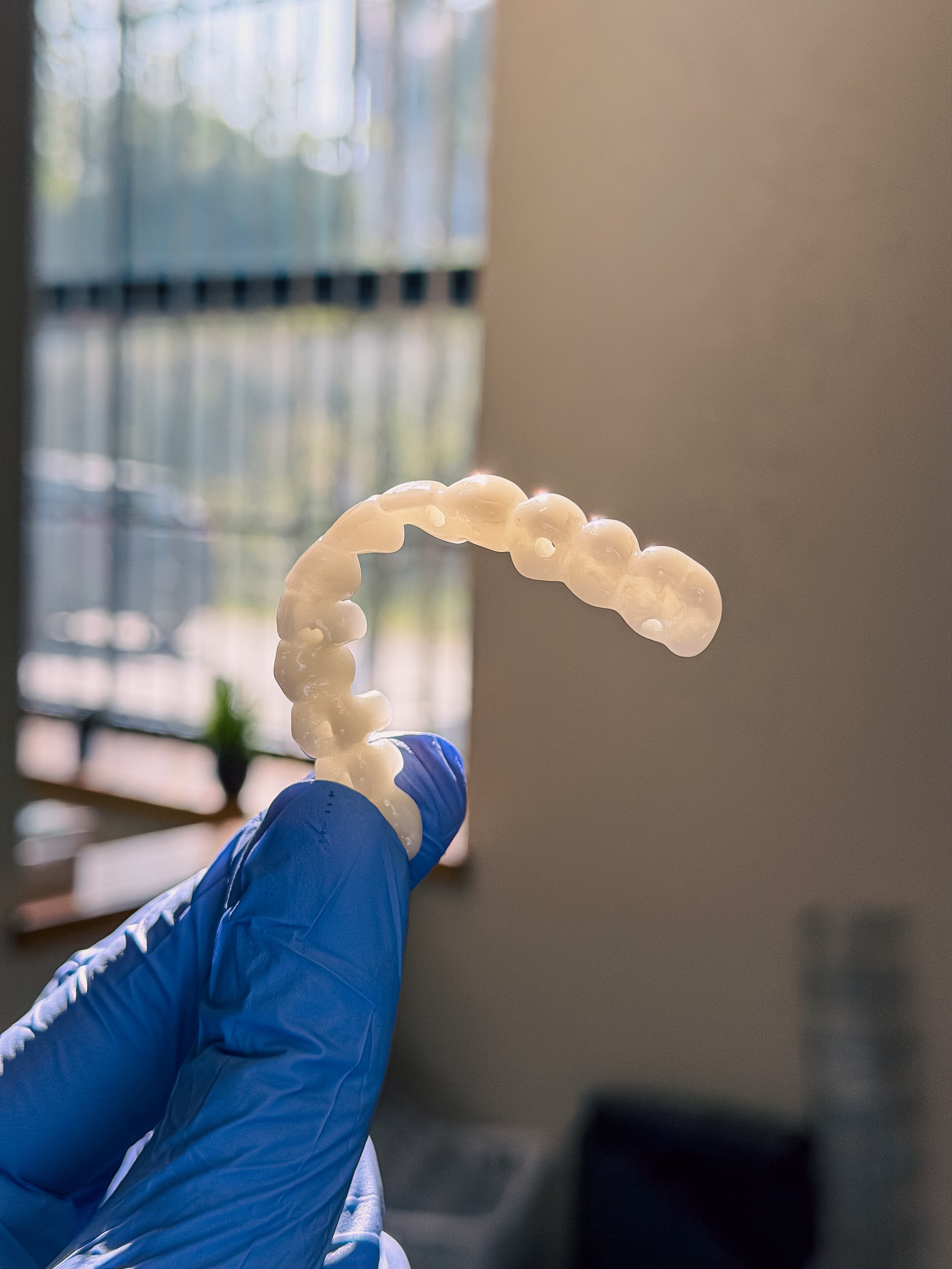
Expected Lifespan for Implants
With proper care and maintenance, dental implants will last at least 30 years. In most cases, your implant will last you for the rest of your life, because it will permanently bond with your jaw and gum tissue, becoming a natural part of your body. As long as you care for them properly, it is very unlikely for your dental implants to fail or fail or wear out.
However, this is not necessarily true of implant-supported restorations. Restorations like crowns, fixed bridges, and implant-supported dentures will be exposed to a lot of wear & tear over the years as you eat and chew. Your implant-supported restorations may need to be replaced a few times throughout the life of your dental implants.
This is why it’s important to see the team at Brattleboro Dental Care every six months for preventive care, such as an oral exam and teeth cleaning. We can ensure that your implants and your implant-supported restorations are healthy, and will continue to serve you well throughout the coming years and decades. 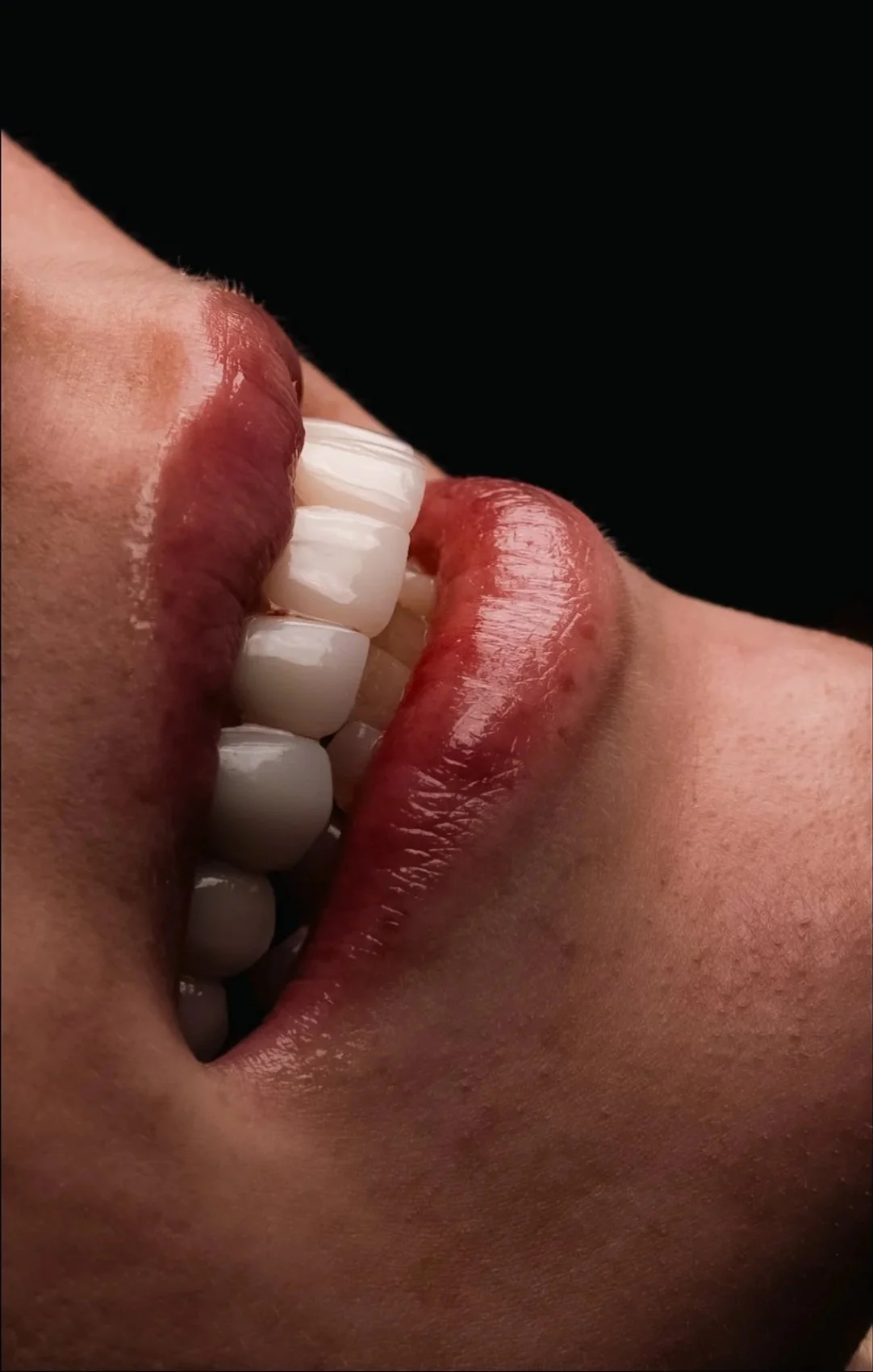
Are Dental Implants Right for Me?
Dental implants are recommended for patients who have a strong and healthy jaw that can support the placement of an implant. If your jaw has become weak due to bone resorption after tooth loss, it may be possible to strengthen it with a bone graft or a sinus lift. While bone grafting will allow you to have an implant, it will require additional surgical treatment, and prolong the dental implant treatment process.
Your mouth must also be free of any major oral health issues such as periodontal disease or tooth decay. These issues must be resolved before you can have an implant placed at Brattleboro Dental Care.
Non-smokers are also preferred for dental implants. Smoking and using any kind of oral tobacco can seriously impair the healing and recovery process, and lead to higher risks of complications during your treatment. You should quit smoking or using tobacco before getting dental implants.