Invisalign

The Benefits of Invisalign
Invisalign is nearly invisible when worn, and does not affect speech. This makes it a top choice for adults who wish to avoid wearing highly visible traditional braces. Invisalign is also removeable, so you can eat what you want throughout treatment, and clean your teeth with ease. Because Invisalign moves your teeth more gently the braces, it causes less discomfort. Plus, most Invisalign treatments only take about a year.
The Invisalign Treatment Process and what to expect
Once you’re approved for Invisalign, we will begin designing your personalized treatment plan. We will work closely with an Invisalign lab to create your clear aligners, and you’ll begin wearing them as soon as they arrive at our office. Each set of aligners is worn for about 2 weeks, when you’ll switch to your next set. Typically, Invisalign patients will come in about every 6 weeks for a quick check-up to ensure that your treatment is on track. The average treatment usually takes up to 24 sets of aligners, so most patients are finished with Invisalign within a year. However, this will vary based on your orthodontic needs and personal usage.
Caring for Aligners
Typically, you’ll need to wear your aligners at least 22 hours per day. They should only be removed to eat, drink beverages (except water), and clean your teeth. Wearing your retainers for less than the recommended time will prolong your treatment and delay your results. It is important to follow all instructions given by Dr. Ganatra to keep your treatment on track and to enjoy your new smile as soon as possible. You can brush the aligners before and after use or use a ultrasonic bath to clean them.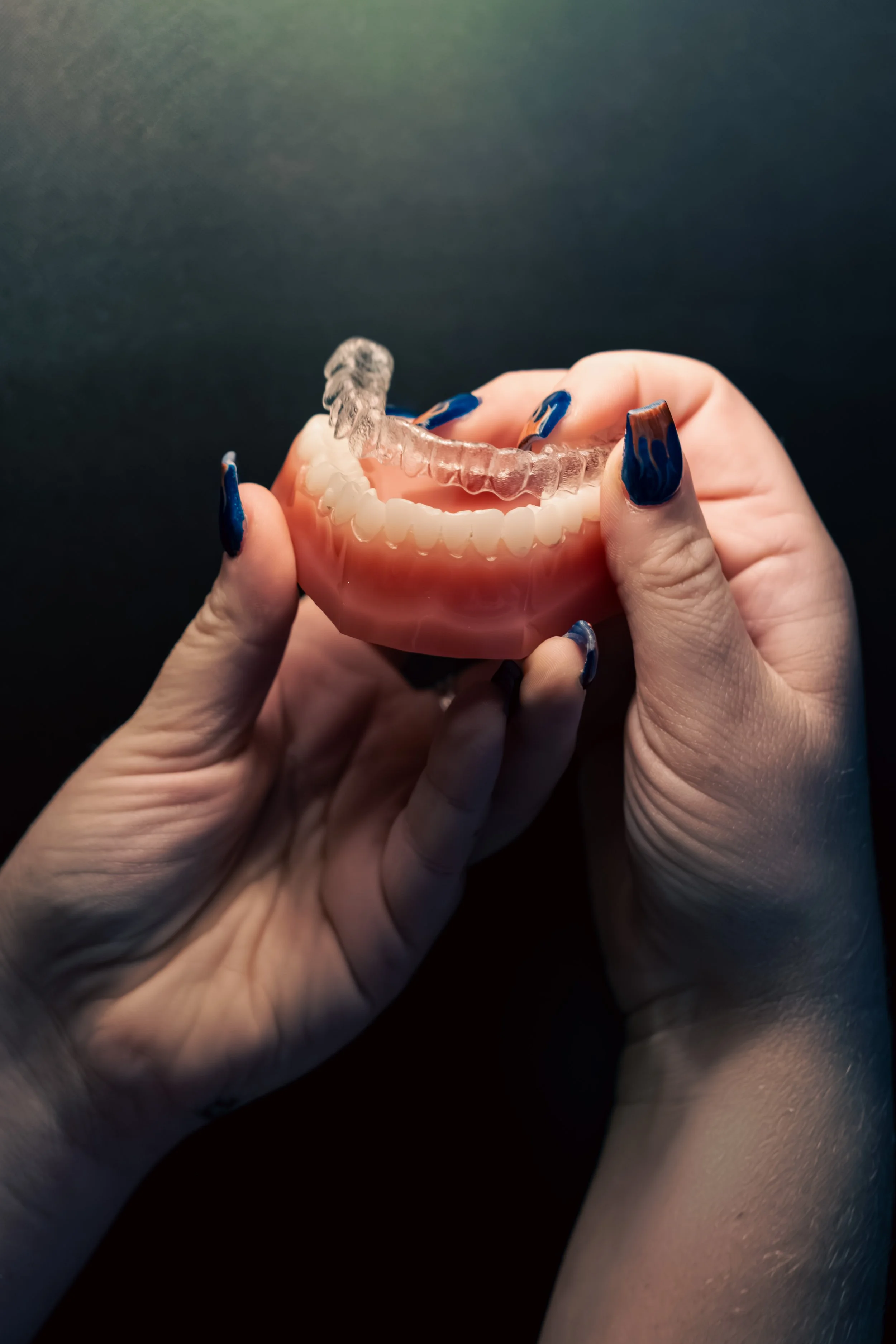
How can Invisalign help treatable issues
Invisalign can be used to treat a wide variety of orthodontic issues, and is appropriate for most patients who have minor-to-moderate problems with their teeth alignment, and minor jaw or bite issues.
Most commonly, Invisalign is used to treat issues like gaps between the teeth, uneven teeth, crooked and crowded teeth, and teeth that do not fit together properly. Invisalign is extremely versatile, and can be used to treat most of these problems.
In addition, Invisalign can sometimes be used to treat minor bite problems. If you have a bit of an overbite or an underbite, or even a crossbite or open bite, in some cases, Invisalign can be used to restore your smile and move your jaw and teeth into a healthier position.
However, it’s important to note the limitations of Invisalign. It is not intended to correct extremely crooked or misaligned teeth, or major bite problems. For these types of orthodontic issues, traditional metal braces are typically a better choice.
Braces are more versatile and can be used alongside oral surgeries, such as orthognathic (jaw) surgery and additional orthodontic treatments to correct almost any problem with your teeth or bite, no matter how severe it may be.
Will Invisalign work for me?
If you have a healthy mouth and do not have major orthodontic issues, Invisalign may be right for you. This subtle orthodontic treatment is ideal for appearance-conscious teenagers and adults who would like to avoid wearing chunky metal braces. Traditional braces are tricky to clean. Since Invisalign allows you to brush and floss normally, you can more easily avoid potential plaque build up and tooth decay due to improper cleaning of traditional braces. However, if you have an issue like a serious overbite or a malpositioned jaw, traditional orthodontics may be a better choice to treat these kinds of problems.